

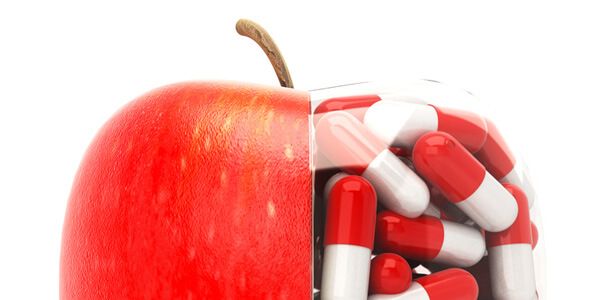
If you take foods and beverages together with drugs, they may interact in such a way that affects the way the drugs work in our body. This is called food-drug interactions. Foods can affect the degree and rate at which a drug is being absorbed, broken down and excreted. This may not only prevent a drug from working effectively, but also predispose one to develop side effects
There are a variety of foods/beverages that may have interaction with drugs. The followings are some examples.
There are a variety of foods/beverages that may have interaction with drugs. The followings are some examples.
1. Alcohol
If you are taking any sort of medication, it is recommended that you should avoid alcohol, which can increase or decrease the effect of many drugs.
2. Caffeine-containing food
Beverages such as coffee, tea, soft drinks and other energy drinks have caffeine. Caffeine can stimulate the central nervous system and increase blood pressure as well as attributing some diuretic effect as well. Caffeine is going to be broken down in the liver at the end. A number of drugs can interfere this mechanism in the liver and subsequently to increase the caffeine level in blood. For example, ciprofloxacin, cimetidine and oral contraceptives.
On the other hand, caffeine also inhibits the metabolism of drugs such as theophylline resulting in increasing theophylline blood level, thus predisposing patients to its side effects including insomnia and cardiac arrhythmia.
3. Calcium-containing food
Calcium is good for growth and maintenance of strong teeth and bones. Dairy product such as milk, cheese, yogurt and ice cream, green leafy vegetables and tofu are rich in calcium. Nowadays, there are more and more calcium fortified fruit juices, breakfast cereals, soy products (e.g. soy milk) or dairy products (e.g. milk, cheese) on market. The calcium in the food may decrease the absorption of drugs. Typical example is the antibiotics like tetracycline, ciprofloxacin, levofloxacin may be less effective when taken at the same time with calcium rich food. Drugs with low bioavailability such as bisphosphates i.e. alendronate, risedroante, ibandronate is especially problematic with these food.
Some drugs may increase the calcium level in the body, such as antacid, thiazide diuretics (hydrochlorothiazide, indapamide, metolazone), lithium and thyroxine. Attention should be paid when food rich in calcium is taken with these drugs to avoid building up an excessive high calcium level in the body which may lead to nausea and vomiting, polyuria, constipation, abdominal pain and even seizure and coma.
Some drugs may increase the calcium level in the body, such as antacid, thiazide diuretics (hydrochlorothiazide, indapamide, metolazone), lithium and thyroxine. Attention should be paid when food rich in calcium is taken with these drugs to avoid building up an excessive high calcium level in the body which may lead to nausea and vomiting, polyuria, constipation, abdominal pain and even seizure and coma.
4. Fruit Juice: Grapefruit Juice , Apple Juice, and Orange Juice
Grapefruit juice is one of the well-known juices that may interact with drugs. It inhibits an enzyme in the intestine that can reduce the metabolism of drugs and increase the risk of developing side effects. The drugs that interact with grapefruit juice is wide but is not limited to such as cholesterol-lowering statins, blood-pressuring lowering drugs (calcium-channel blocker e.g. amlodipine, nifedipine and verapamil ), estrogen containing oral contraceptives, tricyclic antidepressant e.g. amitriptyline and clomipramine, cyclosporine used for the prevention of organ transplant rejection, antimalarial drugs i.e. quinine.
Apple juice and orange juice are the other examples of fruit juice that may interact with drugs. They compete with drugs to be absorbed, resulting in lower level of drugs being absorbed into the blood stream. Absorption of fexonadine (an antihistamine), is modestly reduced when taken with orange juice and apple juice. Other antihistamine like cetirizine and loratadine may be affected but not to the same extent as fexofenadine.
Apple juice and orange juice are the other examples of fruit juice that may interact with drugs. They compete with drugs to be absorbed, resulting in lower level of drugs being absorbed into the blood stream. Absorption of fexonadine (an antihistamine), is modestly reduced when taken with orange juice and apple juice. Other antihistamine like cetirizine and loratadine may be affected but not to the same extent as fexofenadine.
5. Potassium-containing foods
Some food such as beans and peas, nuts, fruits (e.g. Banana, oranges, avocados), green leafy vegetables, white beans and salt substitute are rich in potassium. Potassium is an essential nutrient used to maintain fluid and electrolyte balance in the body. However, imbalance of potassium level in the body will be harmful which can lead to nausea, vomiting and even cardiac arrest. There are several drugs that increase amount of potassium in the body. For example, angiotensin converting enzyme inhibitors (ACEI) like captopril, lisinopril, ramipril used in lowering blood pressure, digoxin used to treat heart failure and a potassium-sparing diuretics known as triamterene. Intake large amounts of foods, fruit juice and vegetable soup that are high in potassium content should be avoided when taking these drugs.
6. Tyramine-containing food
Tyramine is naturally found in protein-containing foods. The level of tyramine is increased with respect to the food aging. High level of tyramine can cause a sudden, dangerous increase in blood pressure. Normally any ingested tyramine is rapidly broken down in our intestine and liver. However, as the enzyme activity is inhibited to cause a rapid rise in blood pressure as a result. Several drugs could interfere with the metabolism of tyramine, including Monoamine Oxidase Inhibitors (MOAIs) which are used as antidepressant, linezolid which is an antibacterial and isoniazid which is used to treat tuberculosis.
Fermented foods, smoked foods and foods that are spoiled or not stored properly may contain tyramine. Avoid large amount of foods and drinks high in tyramine while taking these drugs. Please refer to Table.1 for foods and beverages containing high level of tyramine.
Fermented foods, smoked foods and foods that are spoiled or not stored properly may contain tyramine. Avoid large amount of foods and drinks high in tyramine while taking these drugs. Please refer to Table.1 for foods and beverages containing high level of tyramine.
| Beef or chicken liver, dried sausage |
| Avocados, banana, dried fruits e.g. raisins and prunes |
| Chocolate |
| Red wine |
| Aged and mature cheeses, such as aged cheddar and Swiss; blue cheeses such as Stilton and Gorgonzola; and Camembert. Cheeses made from pasteurized milk are less likely to contain high levels of tyramine, including American cheese, cottage cheese, ricotta, farm cheese and cream cheese. |
| Cured meats, which are meats treated with salt and nitrate or nitrite, such as dry-type summer sausages, pepperoni and salami. |
| Fermented cabbage, such as sauerkraut and kimchee. |
| Fermented soy products including soy sauce, teriyaki, soybean paste, fermented bean curd (fermented tofu), miso soup, tamari, natto, shoyu, and tempeh. |
| Fermented seafood products, such as fish sauce and shrimp sauce. |
| Yeast-extract spreads, such as Marmite, Vegemite. |
| Improperly stored foods or spoiled foods. |
| Broad bean pods, such as fava beans. |
| Alcoholic beverages. In particular, unpasteurized beers, including beers from microbreweries or on tap, are known to contain tyramine. |
 About
About 


The good and the bad of a casino: How many - Dr.Maryland
ReplyDeleteThe 진주 출장마사지 bad of a casino: How many people gamble? The bad of a casino: How many people 과천 출장마사지 gamble? What is 구리 출장샵 a casino? How do I 대전광역 출장샵 win 밀양 출장샵 at it?